


Train so specifically that race day feels ordinary
When Neil Armstrong and Buzz Aldrin returned from the Apollo 11 Moon Landing, they were asked what it was like to walk on the moon.
Their answer? “It was ok.”
The world was stunned. Just ok?

But their explanation is one of the most powerful lessons in performance: They had trained so specifically for every detail that the mission felt like just another training day.
The Artemis II mission in full swing while writing this, this moon landing analogy becomes particularly relevant.
The role of the Artemis II mission is to test all of the specific aspects of everything about getting from Earth out to the moon (but not landing on the moon) and then return to Earth. This is a test of all the SPECIFIC systems, route, gear, nutrition. It is the ultimate in specific training, a race simulation.
But let’s get back to your race preparation and how this applies to you.
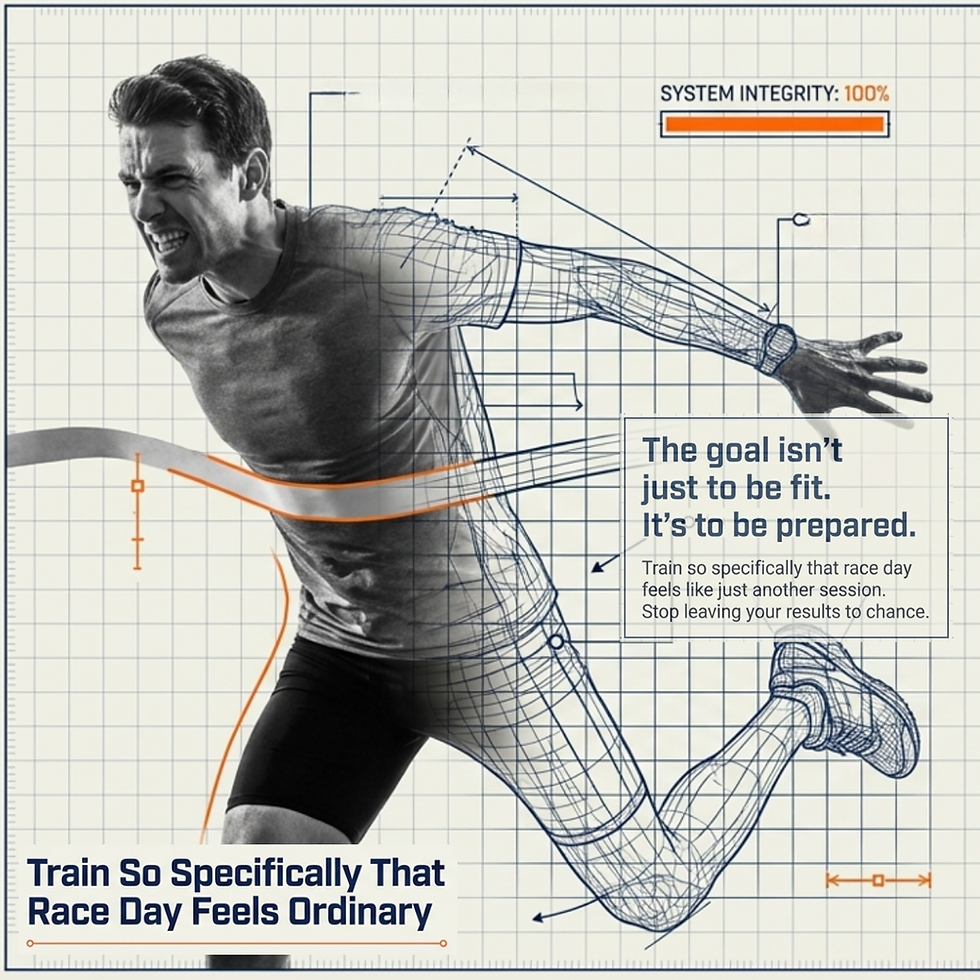
Specificity isn’t just about doing your sport.
Instead, it’s about preparing so precisely for race day that nothing is unexpected.
Because in endurance sport, it’s rarely fitness that breaks you, it’s the details you didn’t prepare for.
Most athletes focus only on banking the training hours to improve their fitness hoping everything else on race day will work itself out.
Here it is in a nutshell if you don't want to read it all

They often overlook the things that make a big difference such as.
1. Terrain
What surface are you actually racing on?
Trail vs pavement – common sense basics like this often get over looked as. Trails require more stabilisation and coordination. Alternatively, the higher turnover and consistency of smooth pavement is also a shock to the body if you have not practice it before race day.
How much climbing is in the race, what grade are the climbs, what length are the climbs? Training does not need to be identical but addressing some of these specific factors in training is important.
Terrain alters movement efficiency, accelerates fatigue, and requires specific training.

2. Weather Conditions
Will you face:
Heat or cold?
Wind or rain?
Altitude?
Have you:
Practiced in different conditions and are ready for the worst?
Tested different clothing and layering options?
Learned how your body responds to altitude, heat or cold?
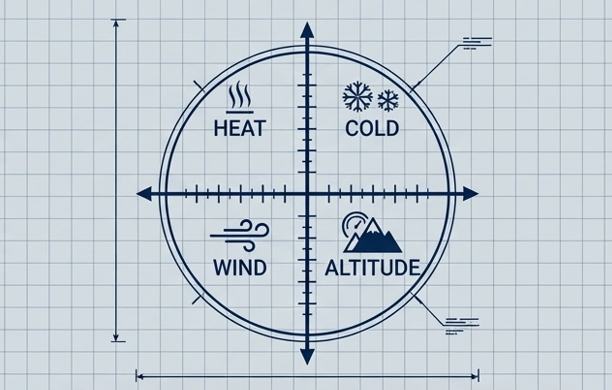
Weather isn’t just discomfort, it changes performance.
Some of the top athletes that I have had the pleasure of working with are absolute masters at this. They choose to go out in the worse conditions on purpose in training so that on race day they are ready for anything.
3. Time of Day
When does your race actually start?
Early morning?
Late evening?
Multi-stage across the day?
Have you practiced:
Eating at that time?
Warming up at that time?
Performing at that time?
Your body clock matters more than you think.

4. Equipment & Load
This is huge in endurance events.
What gear do you have to carrying?
Use all of your race-day equipment before the day?
Wear exactly what you’ll race in multiple times before the race?
Try everything before race day:
Weight distribution
Chafing or rubbing
Changes in movement mechanics and technique which load muscles different which often leads to cramp or aches in different places.
Small discomforts become big problems over time.

5. Pacing Strategy
Do you have one? Have your practiced it? Remember pacing is not just about ‘starting easy and building into it’ that is just one pacing strategy and may not be the best option. Do you actually have a plan and more importantly, have you practiced it?
The right pacing strategy is specific to your event, your fitness and must be practiced.
6. Race Nutrition
This is one of the biggest performance limiters.
Ask yourself:
Have I tested my nutrition at race intensity?
Does it sit well under stress?
Can I consume it easily while moving?
What will I do with the wrappers?
If you haven’t practiced it, it’s a gamble.
Why These Details Matter
Individually, these may seem small but together they can have a significant impact on performance.
Here is an outline of how you might integrate specify in your training build up.

Key Takeaway

Train so specifically, that race day feels like just another session.
If you want to perform at your best, stop leaving race day to chance.
Book a consultation today and start training for the exact demands of your event.

.png)


.png)


Comments